
How Florida’s Tax Certificate and Tax Deed Sale Process Works
If you have fallen behind on Florida property taxes, the terminology alone can be overwhelming: tax certificates, tax deeds, redemption, auctions. Here is the process explained in plain English, step by step, so you know exactly where you stand and how much time you have. Understanding the timeline is critical, because Florida law gives property owners specific windows to act before the situation moves from manageable to urgent. The good news is that even if you are deep into the process, options still exist — and knowing them can mean the difference between losing your home at auction and walking away with cash in your pocket.
Get Your Free Cash Offer Now!
Fill out this form to get your no-obligation all cash offer started!
Fill In This Form To Get Your No-Obligation All Cash Offer Started!
Step 1: Taxes Become Delinquent (April 1)
Florida property taxes are due November 1 and become delinquent on April 1 of the following year, when penalties and charges begin to accrue. The county then advertises the delinquent parcels in a local newspaper once a week for three weeks before the certificate sale, per the Orange County Tax Collector.
Step 2: The Tax Certificate Sale (By June 1)
On or before June 1, the Tax Collector holds a tax-certificate sale. Investors bid on the right to pay your taxes in exchange for interest — bidding starts at 18% and is bid downward, so the lowest interest rate wins. The successful bidder pays your delinquent taxes and receives a certificate that is a first lien against the property. Important: this is not a sale of your home. The certificate holder cannot take your house — they hold a lien that earns interest.
Step 3: The Redemption Window
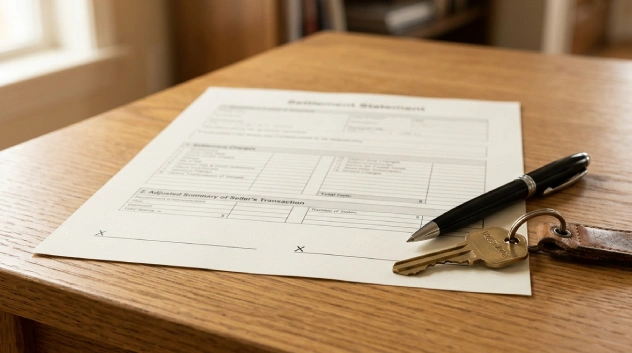
After a certificate is sold, you can redeem it — under Florida Statutes § 197.472 — at any time after it is issued and before a tax deed is issued, by paying the delinquent taxes plus the accrued interest and costs. This window is your leverage: it is how you keep control of the property and how a sale can resolve the whole thing.
Step 4: The Tax Deed Application (After 2 Years)
Only after two years from the delinquency can the certificate holder apply for a tax deed, which forces the property to a public auction. In Orange County, the Comptroller conducts these tax-deed sales online. At the auction, the opening bid covers the back taxes and costs; if the home sells for more, the surplus is held for the former owner and other parties. You can redeem right up until full payment for the deed is made.

Why Understanding This Helps You Act
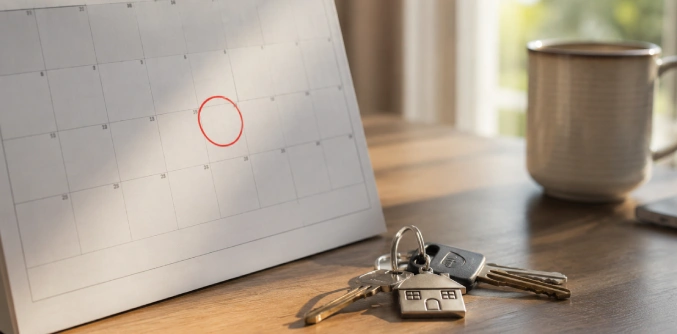
Once you can see the timeline, the panic eases. You usually have more time than you fear — but waiting until the auction is near limits your options and risks your equity. Selling the home during the redemption window pays the taxes, ends the process, and protects what the home is worth. We explain how to use a sale to stop the auction in the next guide.
Fill In This Form To Get Your No-Obligation All Cash Offer Started!